

June 5th, 2015
2 min read
By
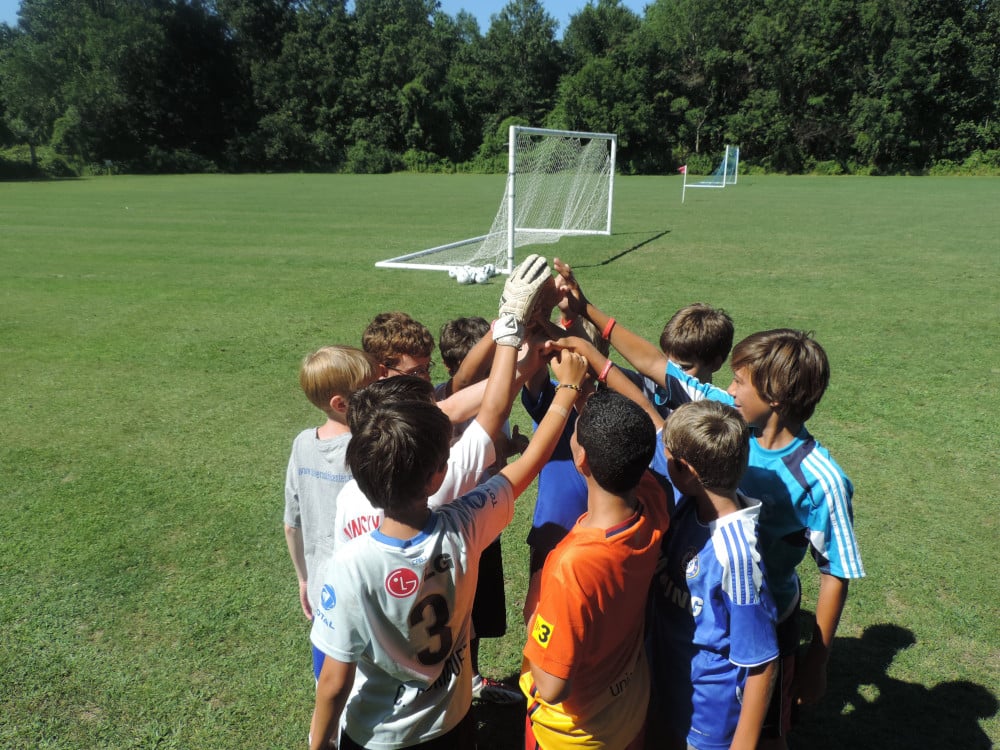
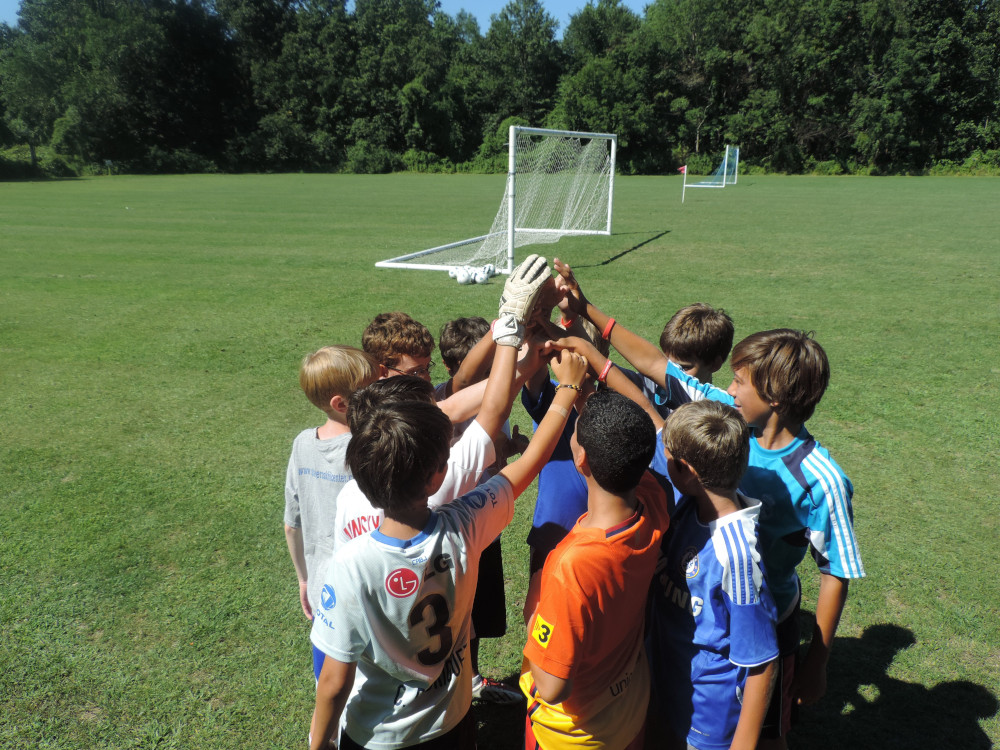 Your child knows that he needs to shake hands with the opposing team whether he wins or loses. He knows to pat a teammate on the back after he scores or fails and knows to cheer everyone on. Even though your child is considered a “good sport” on the field, do these positive practices translate into everyday life? They can! Good sportsmanship is part of social development and can help your child at school, with friends, and anywhere off the court or off the field.
Preschoolers
Between ages 3 and 5, your child is laying the foundation of social skill development. While they aren’t “pros” yet, they’re beginning to share, cooperate and take turns with others. As your child is building these skills, they may also be experiencing their first organized sports play. Whether it's playing t-ball, pee-wee soccer, or another sport, you can help your child to take what she’s doing during practice and games and put it to use everywhere else.
- Sharing: Passing the soccer ball or basketball back and forth is certainly a way to score -- but it’s also a way to share. Instead of one player making every goal or basket, passing during a game teaches kids how to share and support each other.
- Cooperation: As the saying goes, “There’s no ‘I’ in the team!” Even a young child can understand that it takes more than just her to play a game. Take this idea home and explain that helping you to carry the folded laundry or picking up toys with her brother contributes to the family ‘team’.
- Taking turns: Part of fair play is waiting until you’re up at bat or called to the field. If your child is struggling to wait for the swing at the park or her pre-k teacher tells you that she’s cutting in line during hand washing time, gently remind her about how she sits on the bench until her t-ball coach says she’s up to hit.
Older Children
By the time your child gets into the elementary school years, he or she begins building true social connections and becoming an expert at interacting with others. They will be gaining control over their emotions and become able to use words to express their feelings. That said, your child is still working on his social behaviors. What can sports do to help social development?
- Kindness: It’s not easy to congratulate someone who just beat you, but doing so takes grace and kindness. If your child can do this on the field, he or she can do it in their own life. For example, he may feel like screaming when his best bud gets the starring role in the school play and he gets a secondary role. Talk about the good sportsmanship he shows during gameplay and ask him to congratulate his pal.
- Encouragement: Sometimes it’s a friend who needs a lift up. Remind your child how she can cheer her teammates on to success the next time she tells you a friend is feeling bad.
- Respect: Your child might not always like what the coach has to say, but he listens to the coach’s direction. The same goes for school and home. The respect that he shows his coach should translate to respecting other adult authority figures, such as his teacher and you.
Sports is so much more than exercise for children. Learning good sportsmanship practices at an early age can help your child to develop social skills that she’ll use when she steps off the field!
